
2021 - 2023
Quickly learned all multiple game systems (locomotion, level structure, enemy/item spawns, 3Cs, etc.) of wildly different projects months before their expected release dates, and mastered specific game development tools and workflows in order to fulfill my responsibilities and optimize pipelines.
On Contra, invented and standardized a novel technique to fulfill the artistic design goals of the cinematic design directors, all without requiring additional engineer support.
On River City Girls 2, became lead world collision and sorting bug fixer to help propel the game through to the finish on time.
Engineered a number of interactable physics objects - like panes of glass, chandeliers, anvils, deer heads, and a dynamic lighting system in Retro Realms: Ash vs Evil Dead.
Designed level difficulty standards, established scene and prefab management rules to allow design and art departments to work in tandem, managed quest, world progression, and dialog systems for RWBY.
Roles
Lead Cinematics Designer
Senior Technical Game Designer
Level Designer
Achievements Summary
Contra: Operation Galuga
(Windows, Nintendo Switch, PS4/PS5,
Xbox One/X|S)
The project had a bunch of layered, interconnected systems - things like custom character movement, rail-style cameras, enemy spawning setups. A lot of it was tightly tuned, kind of fragile in a way. If you messed with one thing, other stuff could easily break.
So making changes meant being super careful and technical - you couldn’t just tweak stuff casually. I had to ramp up fast on how all those systems worked and then build out nearly all the cinematics while things were still shifting around.
And yeah, all of that happened under a pretty intense timeline.
Cinematics Lead

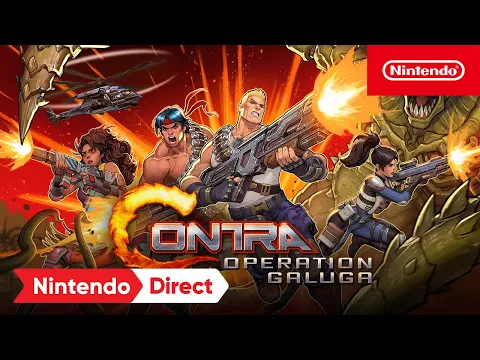
I created most all of the cinematics in the game - excluding he majority of the pre and mid-boss ones. Those were handled by the brilliant engineers and my former technical game design colleague.
For the ones I did work on, I came up with a bit of a workaround - a hack, really - to meet the direction art was going for.
(If you check out the video above, you’ll notice characters keep animating even while dialog is on screen. That wouldn’t be the case without the workaround. Their animations would just freeze otherwise.)
Workaround
Working on cinematics in Japan I knew that animator controllers ran on a thread separate from the timeline. With this knowledge, I created "cinematic" versions of the characters, each with its own animator controller and changed the states via timeline signals.Nearly everything you see in the cinematics - except AI enemies - was Timeline-driven. We had to keep close track of states and behaviors for NPCs, game objects and player-controlled characters to choreograph everything correctly.
Loading and unloading characters, cameras, scenes, game objects, enemies - all that had to be manually orchestrated before and after each cinematic. It got complicated.
These rigs were also set up with mouth bones and custom avatars. This let them keep moving - even while the timeline was technically paused waiting on player dialog input.
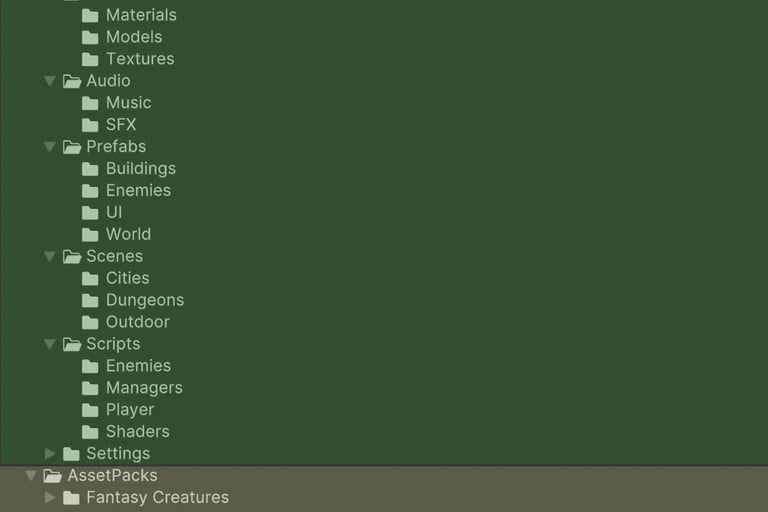
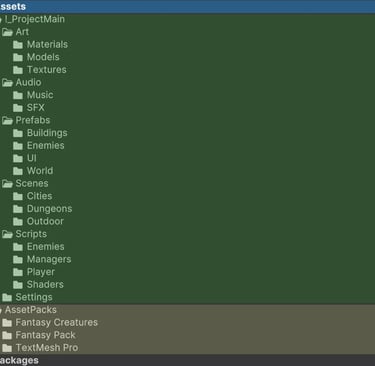
Once I polished and refined the cinematic workflow, I organized and standardized their structure, components and object names, which made them way more convenient to modify and understand.
Once I polished and refined the cinematic workflow, I organized and standardized scene structure: components, object names, prefabs, everything. This made scenes and their assets not only way more convenient to modify, but much easier for people new to cinematics to find their way around.
Optimizing game objects and game systems is a process I've found useful in the past. Once I understand a system and what everything in it does, I can prune the fat, so to speak, by consolidating, standardizing, and organizing all objects and components in a consistent fashion. Much time can be lost when things aren't in the right/expected place.
Workflow Optimization
I served as one of two mission designers for the Challenges, and was tasked with creating fun yet challenging missions that fans of the Contra series have come to expect. I learned a lot regarding all of the nuances of enemy behavior, the spawn systems and obstacles from the lead level designer on the team, and worked closely with the design team to make sure my challenges were up to snuff. My thorough experience creating challenges for Spider-Man enabled me to complete these tasks with ease.
Challenge Missions

River City Girls 2
(Nintendo Switch, PS4/PS5, Windows, Xbox One/X|S, Android/iOS)
A third party was contracted to create a specialized rendering and collision system. I was put on the project in order to help ship it. I got up to speed on how to use the custom tools very quickly, and employed my technical skills to fix texture sorting issues and collision bugs so that the project could ship on time.

Proficiently developed and optimized a custom sprite renderer and collision system, collaborating closely with QA leads to diagnose and resolve issues.
Leveraged advanced texture creation expertise to address bugs swiftly with limited resources, ensuring timely and successful game delivery.
Workflow Optimization


Retro Realms: Ash VS Evil Dead
(Nintendo Switch, PS4/PS5,
Windows, Xbox One/X|S)
Scripted and implemented a variety of gameplay objects and systems (tunable dynamic lighting, hazards and other interactive objects) that affect player and enemy characters in varying ways in the early phases of development.

RWBY: Arrowfell
(Nintendo Switch, PS4/PS5, Windows,
Xbox One/X|S, Android/iOS)
Established level design, scene composition and data/game object management processes during early stages of development to streamline iteration and improve asset consistency.
Implemented game world level layouts, item/enemy placement and mission objectives in game engine editor, and had the autonomy to apply creative and efficient solutions to problems exposed during implementation.

Established rules and implementation systems to organize scene/level assets so that art and design could work in tandem.
Workflow Optimization


Established rules and implementation systems to organize scene/level assets so that art and design could work in tandem.
Mission & Dialog Design

